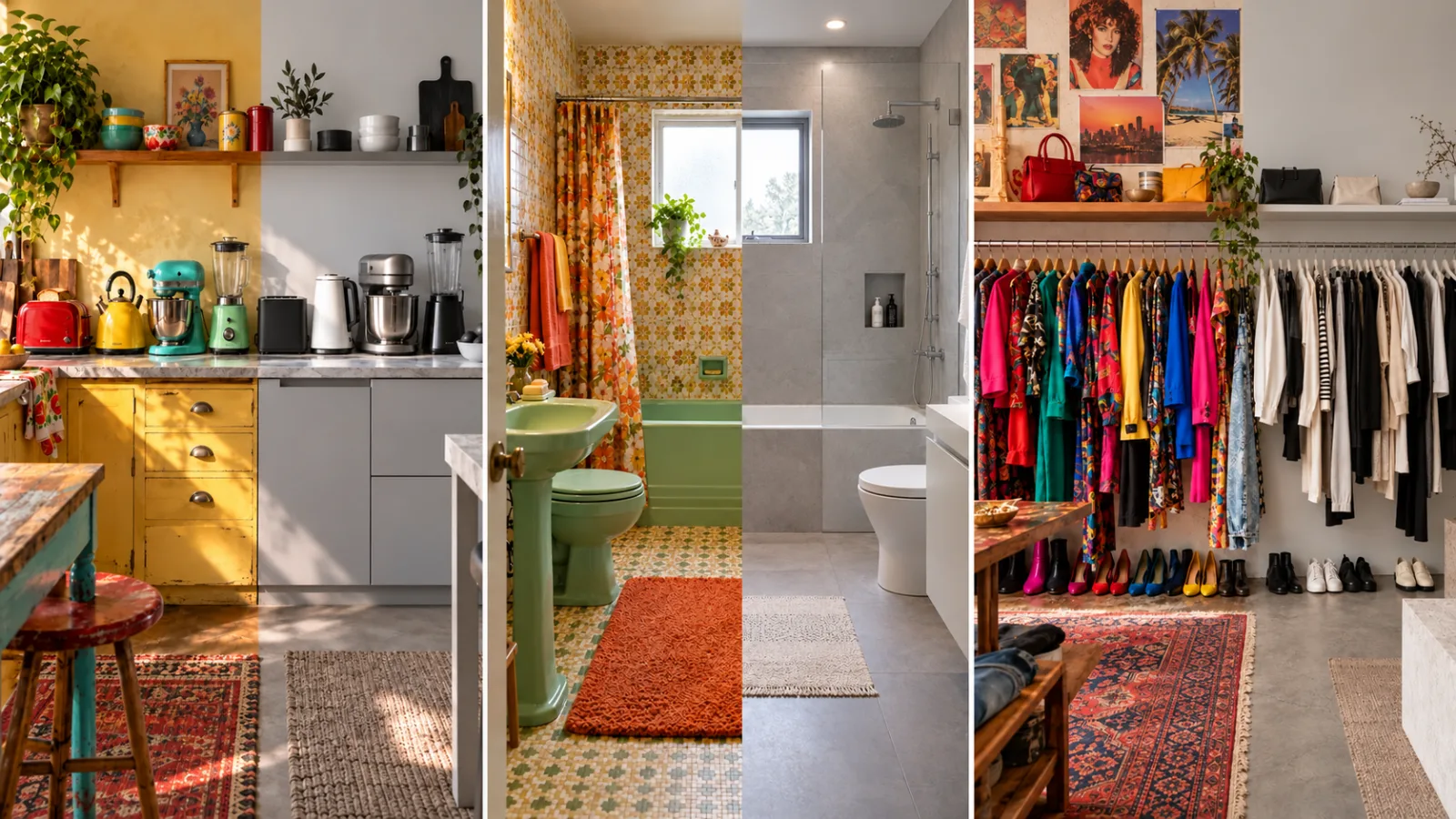
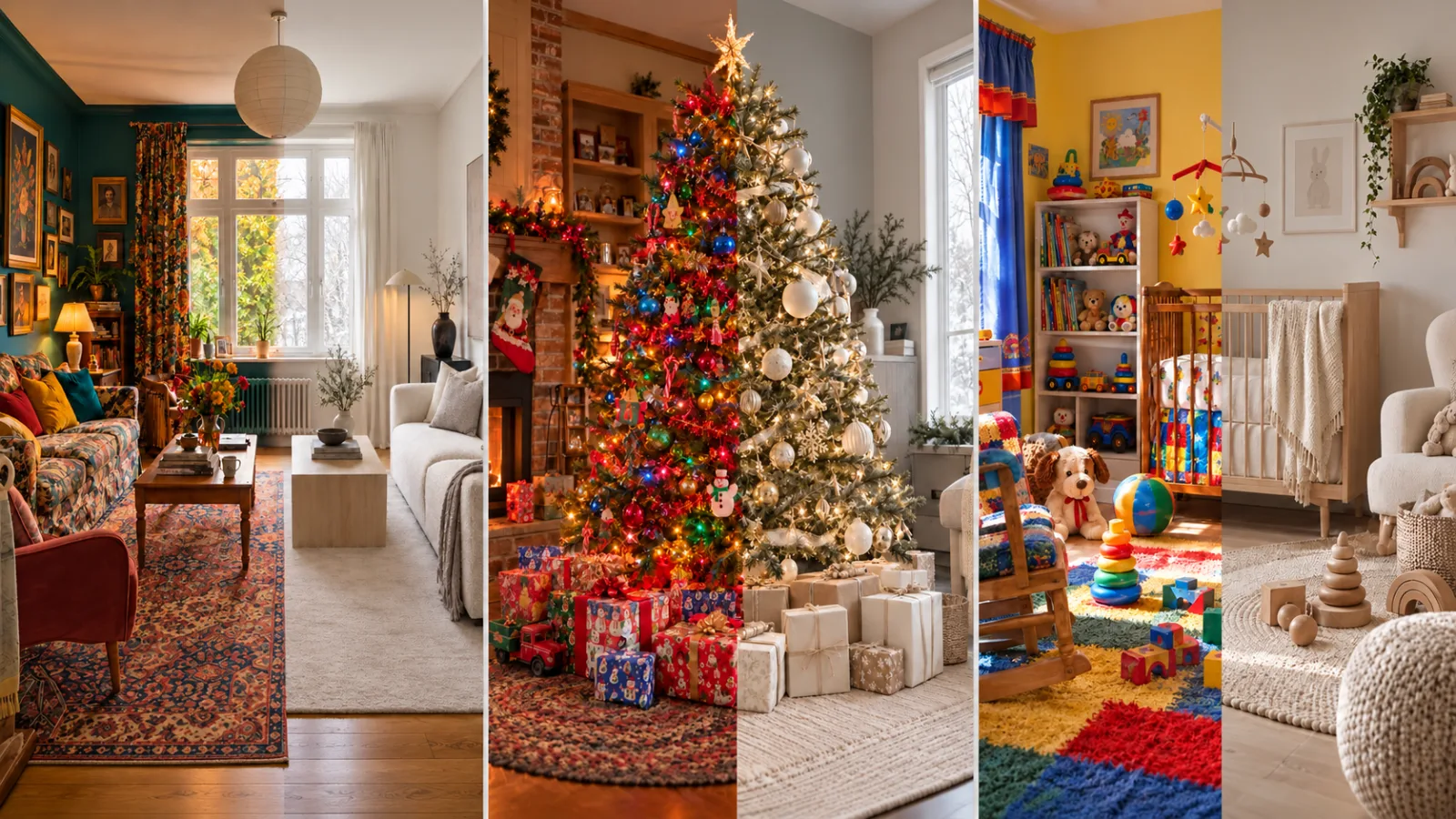
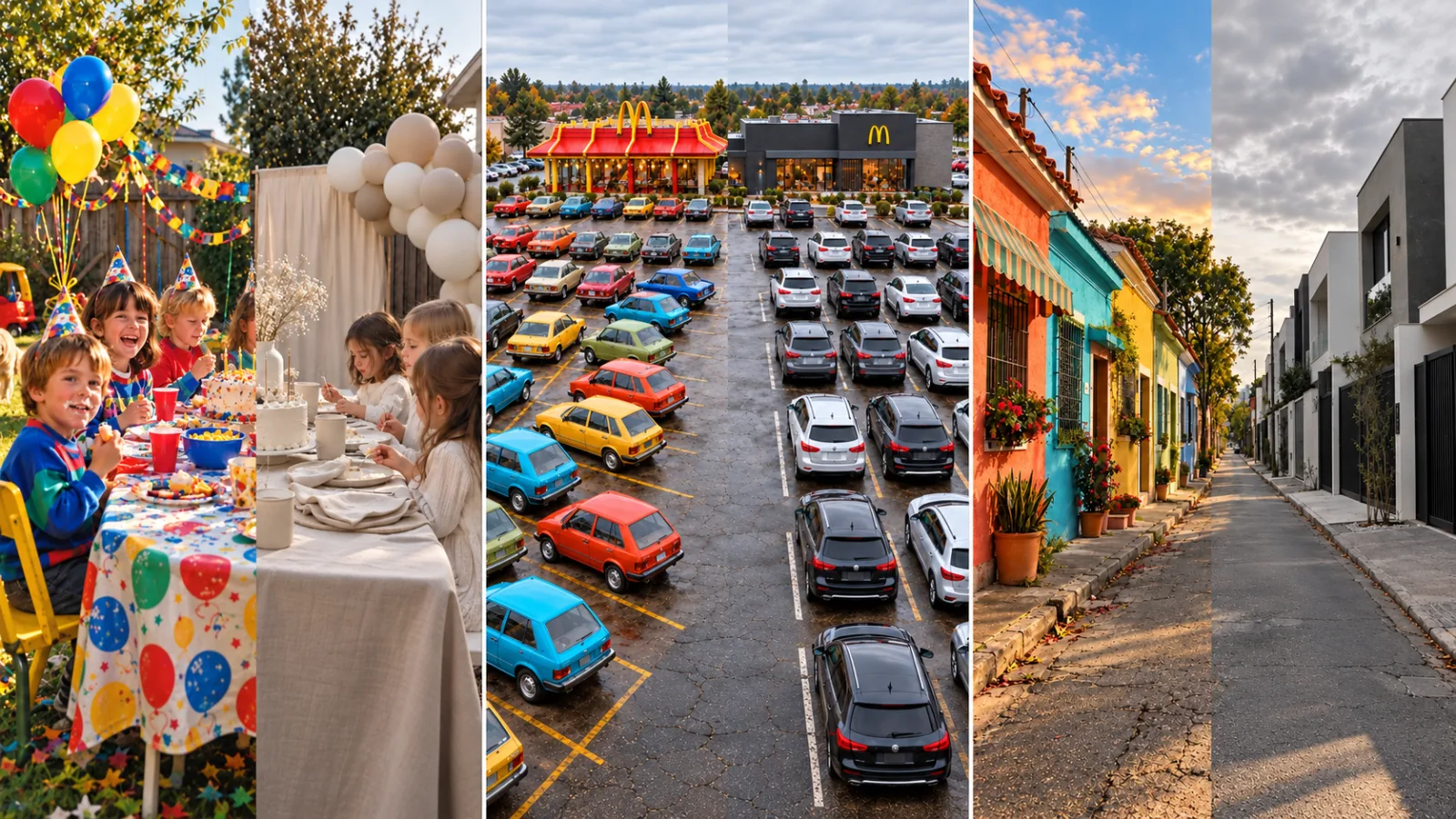
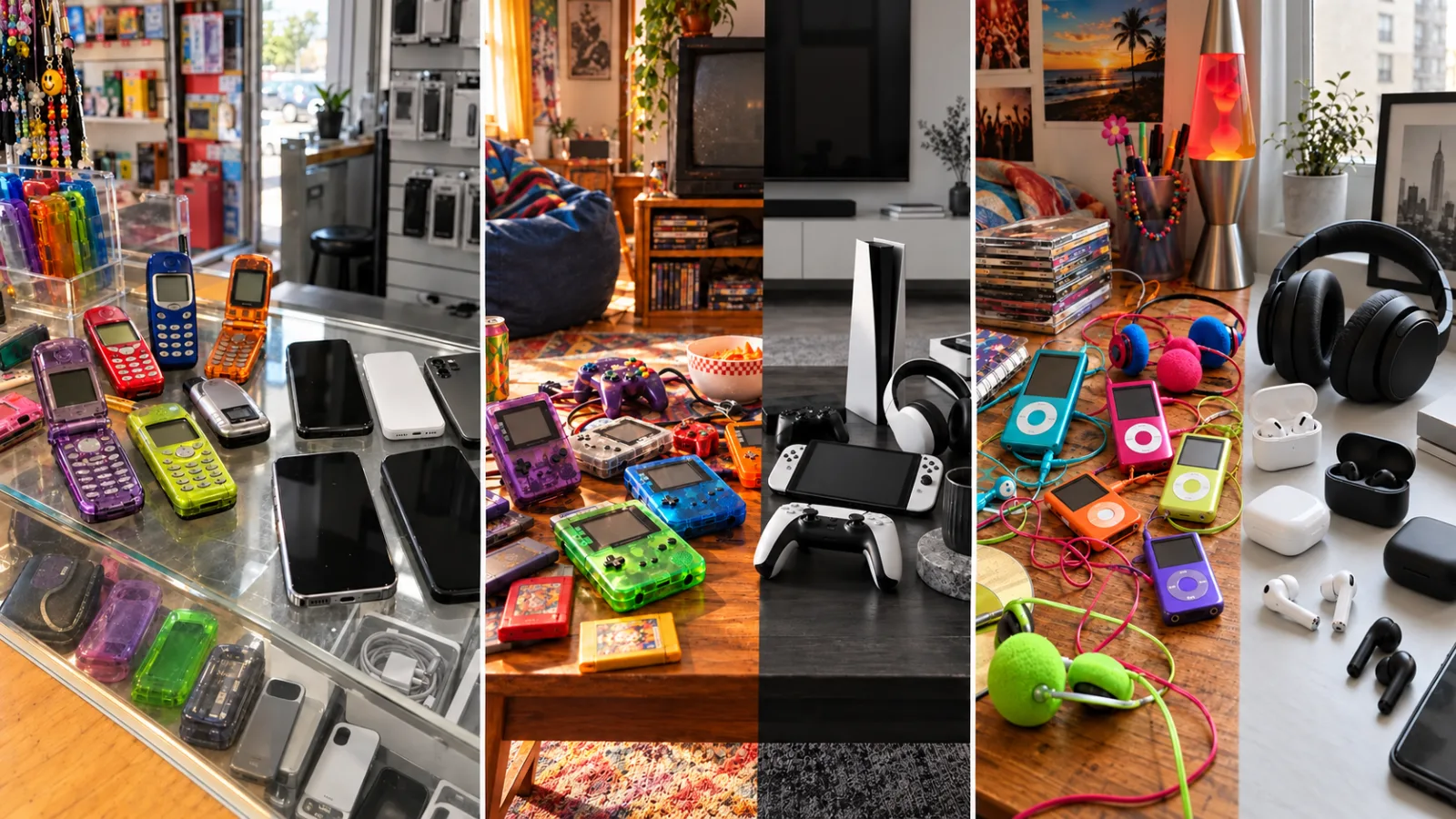
Colorful furniture, patterned kitchens, and cars in vibrant tones that stand out in old photographs prompt us to look at our surroundings differently today. Designs dominated by white, gray, black, and beige raise the question of whether everyday life is losing its colors.
However, there is no single answer that covers all eras and living spaces. To understand the change in color preferences, we need to consider design approaches, production methods, and consumer expectations together.
Traces of gray in everyday objects
A study published in 2020 that examined photos of more than 7,000 objects across 21 categories from the Science Museum Group collection suggests that everyday items may have trended toward a grayer appearance over time. The research looked at a range of objects from household appliances to lighting products, from clocks to communication devices. However, the study is based on a specific museum collection; it does not prove that the entire world has become equally colorless.
Part of the change is related to materials. In some products, the warm brown tones of wood have been replaced by plastic and metal surfaces, which also affects the distribution of colors in objects. Therefore, it is not sufficient to explain the difference between past and present solely by the abandonment of vibrant colors.
The dominance of neutral tones in cars
One concrete example of the transformation in color preferences is the automotive sector. According to BASF’s 2024 data, in Europe, the Middle East, and Africa, the combined share of white, black, gray, and silver was 72 percent in 2021 and reached about 80 percent in 2024. These figures reveal the clear dominance of neutral tones in cars produced in the region.
However, colorful options have not disappeared entirely. BASF’s 2025 report shows that while gray has increased its share globally, green has also risen among colored automotive paints. This picture indicates that the change is not a one-way “decolorization.”
The quest for simplicity is reflected in living spaces
Using simple surfaces and harmonious tones in interiors creates a more cohesive look. According to the architecture publication ArchDaily, standardization of surfaces and industrial production also play a role in the shift in decoration. The use of color, pattern, and texture cannot be considered separately from the social and cultural context of a place.
Therefore, the difference between a colorful kitchen in an old photograph and today’s gray living room does not merely reflect changing personal tastes. It also mirrors the materials, production approaches, and lifestyles of different periods. Colors are not being erased from our lives entirely; what changes is where, how much, and how they are used.