Following new regulations on students’ and teachers’ attire in Azerbaijan, reports that people wearing headscarves were not admitted to some schools have led to protests. While some civil society organizations in Turkey called for the practices to be lifted, the ruling party in Azerbaijan responded to the criticism by invoking the country’s secular education system and sovereignty.
The new dress code rules enforced in Azerbaijani public schools have brought debates over the right to education and freedom of belief back to the agenda. The regulations, adopted on September 21 for students and on October 6, 2026 for teachers, do not explicitly mention the headscarf. However, reports and social media footage indicating that some headscarf-wearing students and teachers were denied entry to schools have sparked public reaction.
The rules for students do not allow additional garments deemed to disrupt the integrity of the designated school uniform and considered incompatible with the principle of secularism in education. The regulation for teachers also requires attire to be consistent with the principle of secularism and the professional environment. However, the lack of details on how the rules will be implemented, whether students will be admitted to classes, and possible sanctions has increased uncertainty about the scope of the policy.
After protests in and around the capital Baku, the Azerbaijan Ministry of Internal Affairs announced that 37 people were detained. The ministry claimed that some protesters clashed with education employees, damaged schools, and attempted to obstruct transportation. Local media reported that some teachers were informed they could not continue their duties unless they removed their headscarves.
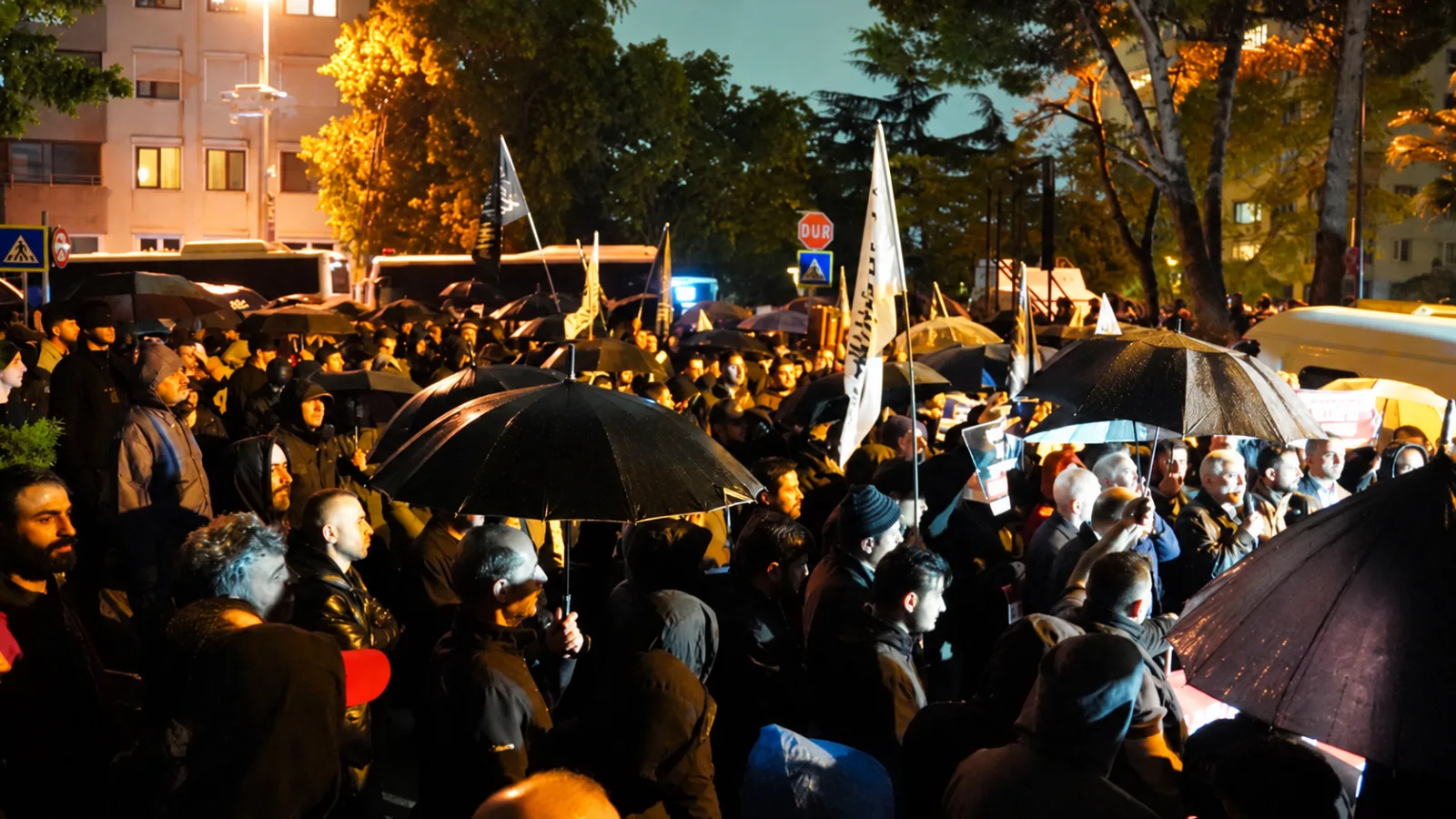
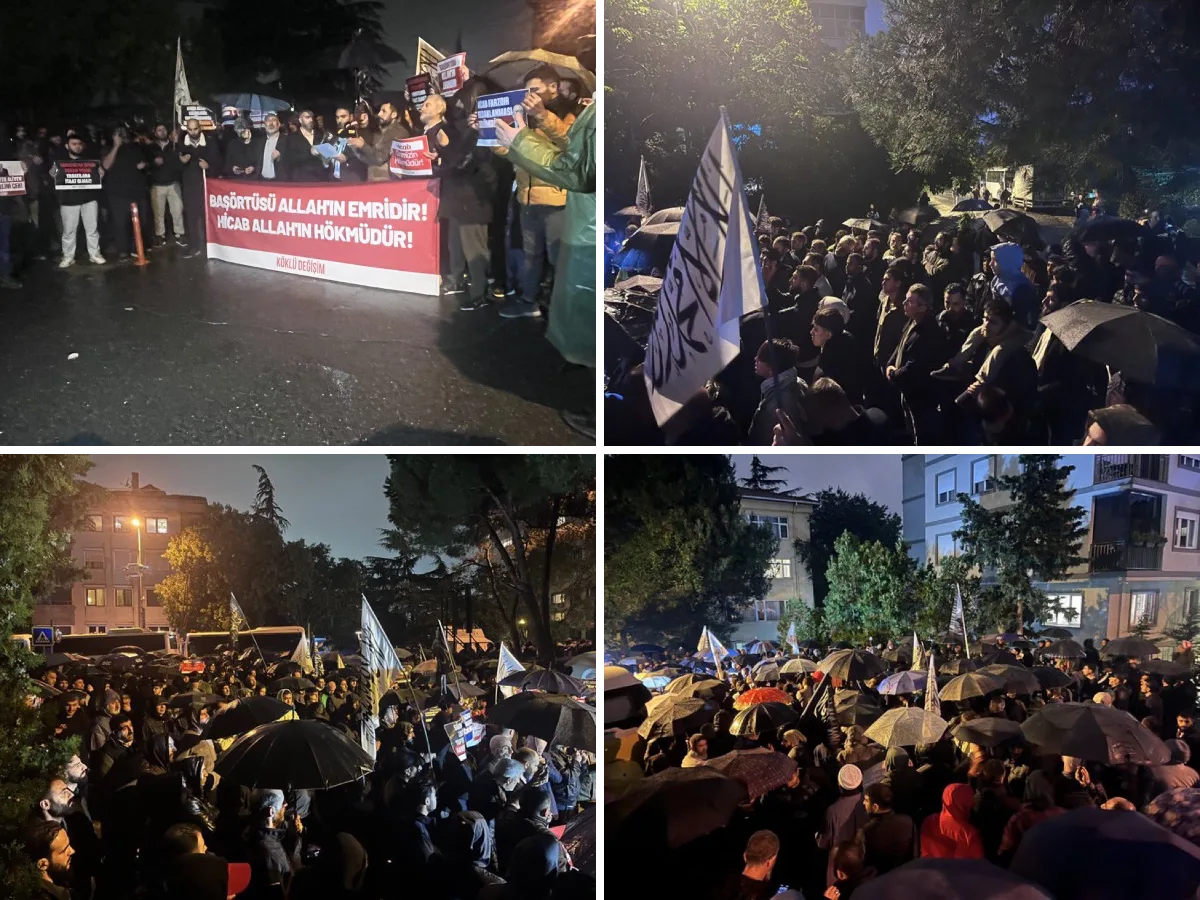
The debate has also echoed in Turkey. Protests were held in front of the Azerbaijani Embassy in Ankara and the Azerbaijani Consulate General in Istanbul. Participants called for an end to the restrictions, stating that students wearing headscarves should not be excluded from education. Security measures were reported around the diplomatic mission in Istanbul.
Genç Hareket, Davet ve Kardeşlik Vakfı, Yedi Hilal, Bingöl İslami Kardeşlik ve Dayanışma Platformu, Türkiye İmam Hatipliler Vakfı, and Milli Türk Talebe Birliği also issued statements. The organizations’ common demand was to protect freedom of belief and not to restrict the right to education on the grounds of clothing.
Davet ve Kardeşlik Vakfı and some other organizations compared the developments to the practices of the February 28 period in Turkey. The Bingöl İslami Kardeşlik ve Dayanışma Platformu called for transparent investigations into alleged rights violations and for grievances to be remedied. The Türkiye İmam Hatipliler Vakfı emphasized that people should not be excluded from education, working life, or social life because of their beliefs. These assessments reflect the views of the organizations making the statements.
Political reactions in Turkey included statements by Chief Advisor to the President Oktay Saral and AK Party Deputy Group Chair Leyla Sahin Usta. Saral criticized the obstruction of headscarf-wearing students’ right to education, while Sahin Usta called on Azerbaijan to abandon the practice.
The New Azerbaijan Party, led by Azerbaijani President Ilham Aliyev, pushed back against these criticisms in a statement dated October 13. The party argued that the education rules are based on the principles of secularism, equality, and the rule of law; it also suggested that statements by some officials in Turkey could create tension in bilateral relations. It noted that the closeness between the two countries cannot be a justification for interfering in each other’s internal affairs.