Armenian Prime Minister Nikol Pashinyan stated that extending the railway to Kapan is important in terms of industry and transport. As the reopening of regional connections remains on the agenda, debates continue around the TRIPP project and the operating model of existing railways.
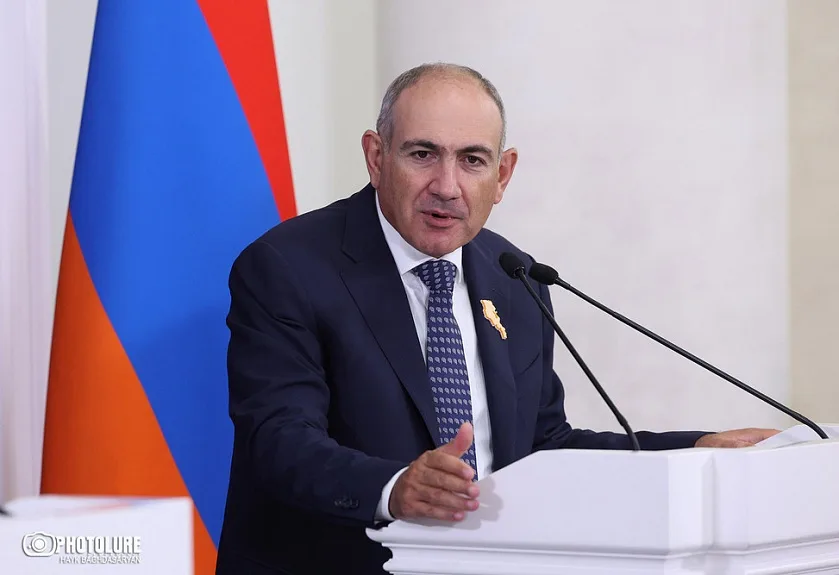
Prime Minister Nikol Pashinyan announced that they attach importance to extending the railway line in the future to the city of Kapan in the Syunik region. Speaking at a question-and-answer session with the government in parliament, Pashinyan said this connection would be significant for meeting the transport needs of industrial facilities in the region.
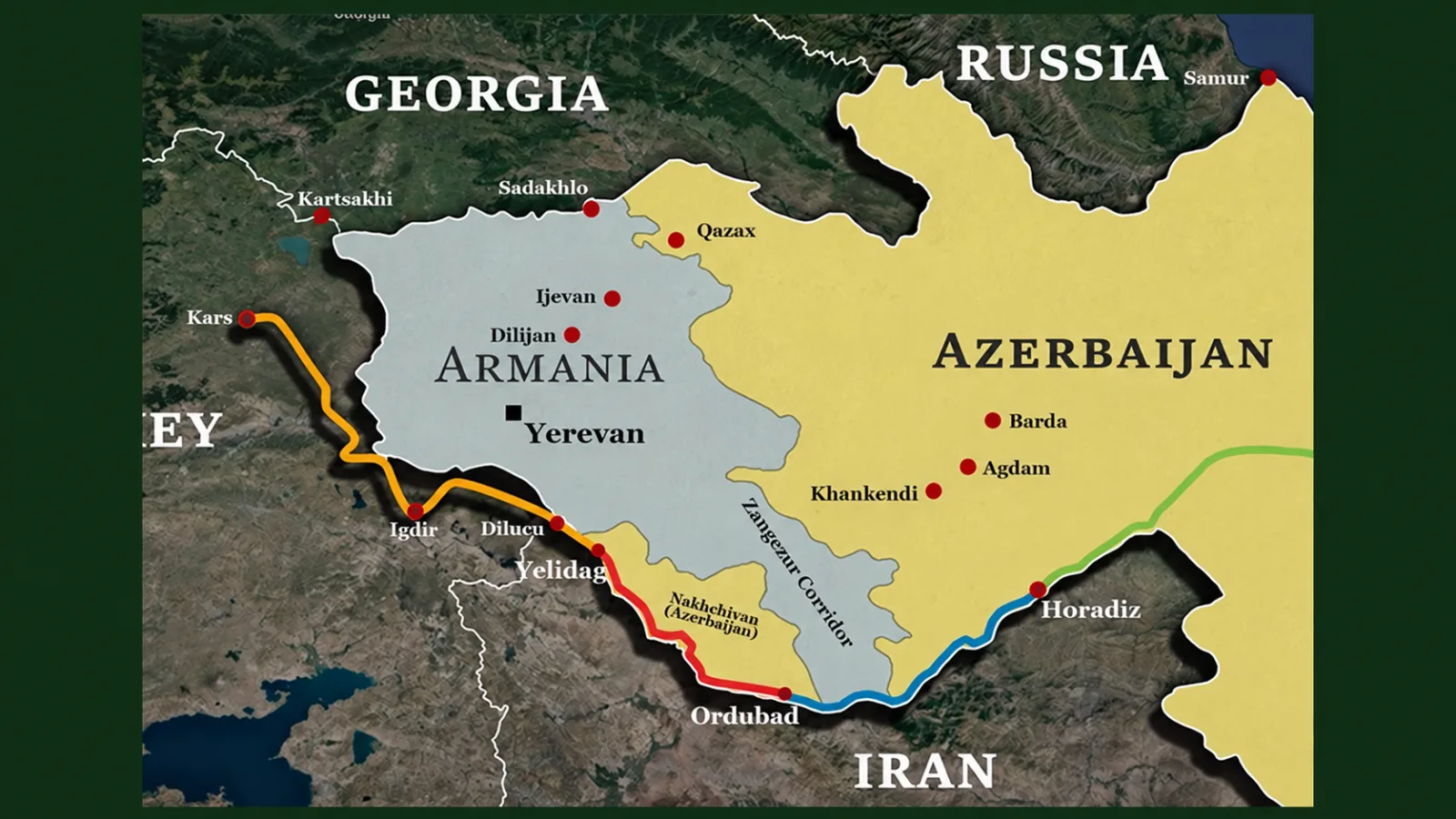
According to Armenpress, Pashinyan was answering a question from Artur Khachatryan, a lawmaker from the opposition “Armenia” alliance, regarding transport links. The prime minister recalled that in the Soviet era the railway reaching Kapan passed through Azerbaijani territory, and he highlighted the importance of putting the line back on the agenda for the Zangezur Copper-Molybdenum Combine and the mining operation in Kapan.
Addressing freight and traffic density on highways, Pashinyan described the Kapan connection as a project to be taken up in the future. He linked this process to the institutionalization of peace and the strengthening of trust between societies.
Pashinyan noted that the current agenda is the reoperation of the Soviet-era railway that passes through Meghri. He emphasized that one of TRIPP’s main objectives for Armenia is to establish a railway connection between the north and south of the country via Azerbaijan and Nakhchivan.
Another strand of the railway agenda consists of talks with Russia. According to an analysis relayed by Ermenihaber, Russian Deputy Prime Minister Alexey Overchuk stated they are ready to participate in the reconstruction of the Yeraskh–Sharur and Gyumri–Turkish border railway sections.
The same text notes that the future of the current Russia-linked operating concession for Armenia’s railways is also under discussion. It is reported that Pashinyan has raised, as the preferred option, transferring the concession to a third country acceptable to the parties. It is emphasized, however, that there has been no statement that the contract has been terminated.
Tasnim’s assessment focuses on TRIPP’s effects not only on transport and energy infrastructure but also on regional political balances. While the economic opportunities that opening connections with Turkey and Azerbaijan could provide are considered, Iran’s concerns about the US presence in the region are also reflected.
These developments indicate that Armenia’s goal of revitalizing its railway network is linked both to domestic transport needs and to the normalization process with its neighbors. While the Kapan line is emerging as a forward-looking objective, infrastructure, operations, and diplomacy all matter in the opening of regional routes.