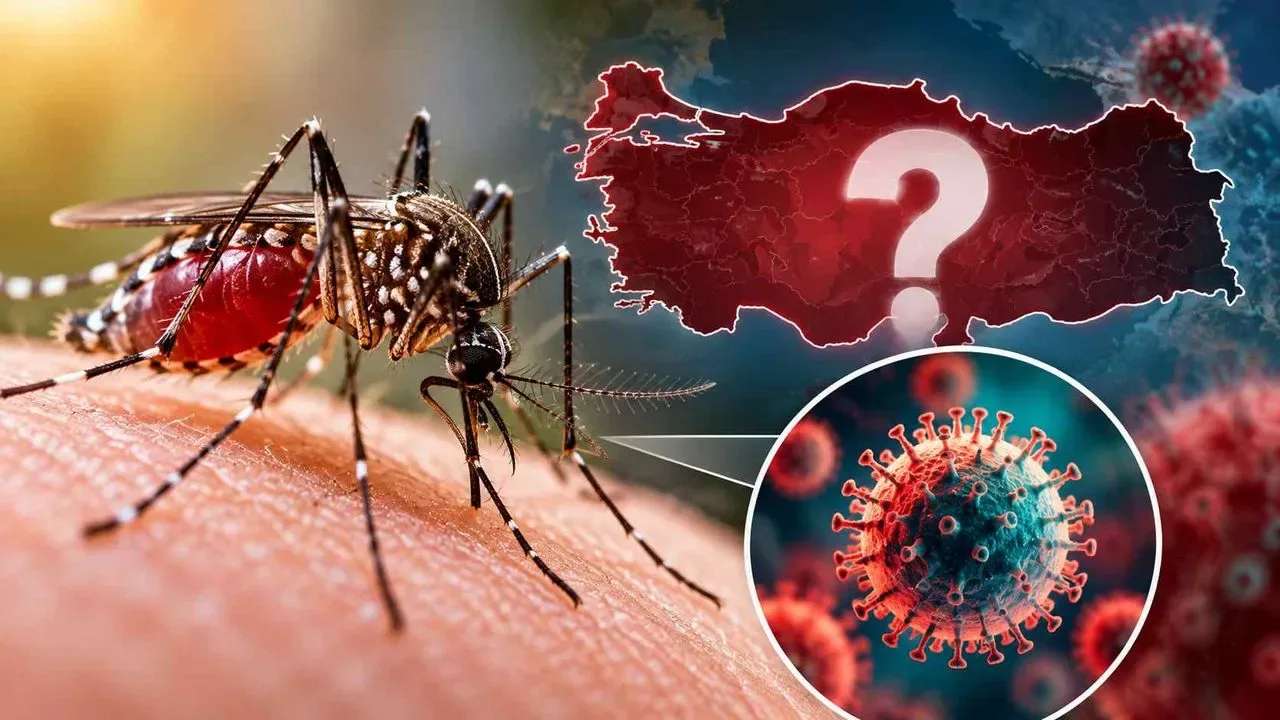
In Greece, as of 22 October 2026, 453 West Nile virus cases and 51 deaths have been reported. The infection, seen across a broader geography in Europe, underscores the importance of protection from mosquitoes and early recognition of the disease.
The mosquito-borne West Nile virus is in the spotlight in Europe this year due to the number of recorded cases and detections in new areas. According to the 22 October report of the Hellenic National Public Health Organization (EODY), the number of locally acquired, laboratory-confirmed cases in the country reached 453 in the 2026 season. Deaths recorded among patients totaled 51.
In Greece, severe disease was seen especially at older ages
The EODY report stated that 283 of the reported cases involved nervous system involvement, which can affect the brain and meninges, while 170 had milder symptoms. The ages of those who died ranged from 36 to 92, with a median age of 82.
According to the report, only one new case was reported in the past week. Therefore, the cumulative total number of cases over the season does not mean that transmission has accelerated every week.
The area of spread in Europe is expanding
According to the European Centre for Disease Prevention and Control’s (ECDC) assessment dated 15 October, as of 7 October 2026 a total of 1,715 locally acquired human infections and 130 deaths had been reported in 13 countries of the European Union and European Economic Area. Italy, with 748 cases, was the country with the highest number of cases. Reports from Belgium and the Netherlands also indicated that the virus is circulating in more northern parts of Europe.
The ECDC emphasized that despite the broader spread, there is no evidence that the disease is progressing more severely in humans. Although viral activity has decreased following the peak in August and September, new cases may still be reported.
How is it transmitted, and what symptoms occur?
West Nile virus is transmitted primarily through the bites of mosquitoes that have acquired the virus from infected birds. It is not transmitted from person to person through everyday social contact; transmission via blood transfusion and organ transplantation can occur but is rare.
According to the World Health Organization, approximately 80 percent of infected people develop no symptoms. About 20 percent may experience fever, headache, fatigue, muscle aches, nausea, vomiting, or a rash. In a smaller group, severe conditions such as inflammation of the brain or meninges may occur. Older adults and people with suppressed immune systems are at higher risk for severe disease.
Symptoms such as high fever accompanied by neck stiffness, confusion, seizures, or marked muscle weakness require urgent medical evaluation.
Not a new infection for Türkiye
Defining West Nile virus solely as “a new threat at Türkiye’s doorstep” presents an incomplete picture. According to information from institutions affiliated with the Ministry of Health of the Republic of Türkiye, cases have been reported in Türkiye since 2010. However, the figures in Greece do not reflect Türkiye’s current case situation.
Mosquito control is key to prevention
There is no West Nile virus vaccine available for use in humans and no specific antiviral treatment for the virus. Supportive care is provided in hospital for severe illness.
Proper use of insect repellents according to their instructions, opting for long-sleeved clothing, installing window screens, and using bed nets when necessary help with prevention. Emptying standing water accumulated in flower pot saucers, buckets, and similar containers also reduces mosquito breeding sites.
The reported case numbers do not include all infections that are asymptomatic or untested. In addition, since countries’ diagnostic and reporting practices may differ, the dates and scope of the data should be taken into account when comparing figures.
Sources: The weekly report of EODY dated 22 October 2026; the ECDC’s assessment dated 15 October 2026 and West Nile virus information; the World Health Organization; information from the Ministry of Health of the Republic of Türkiye.