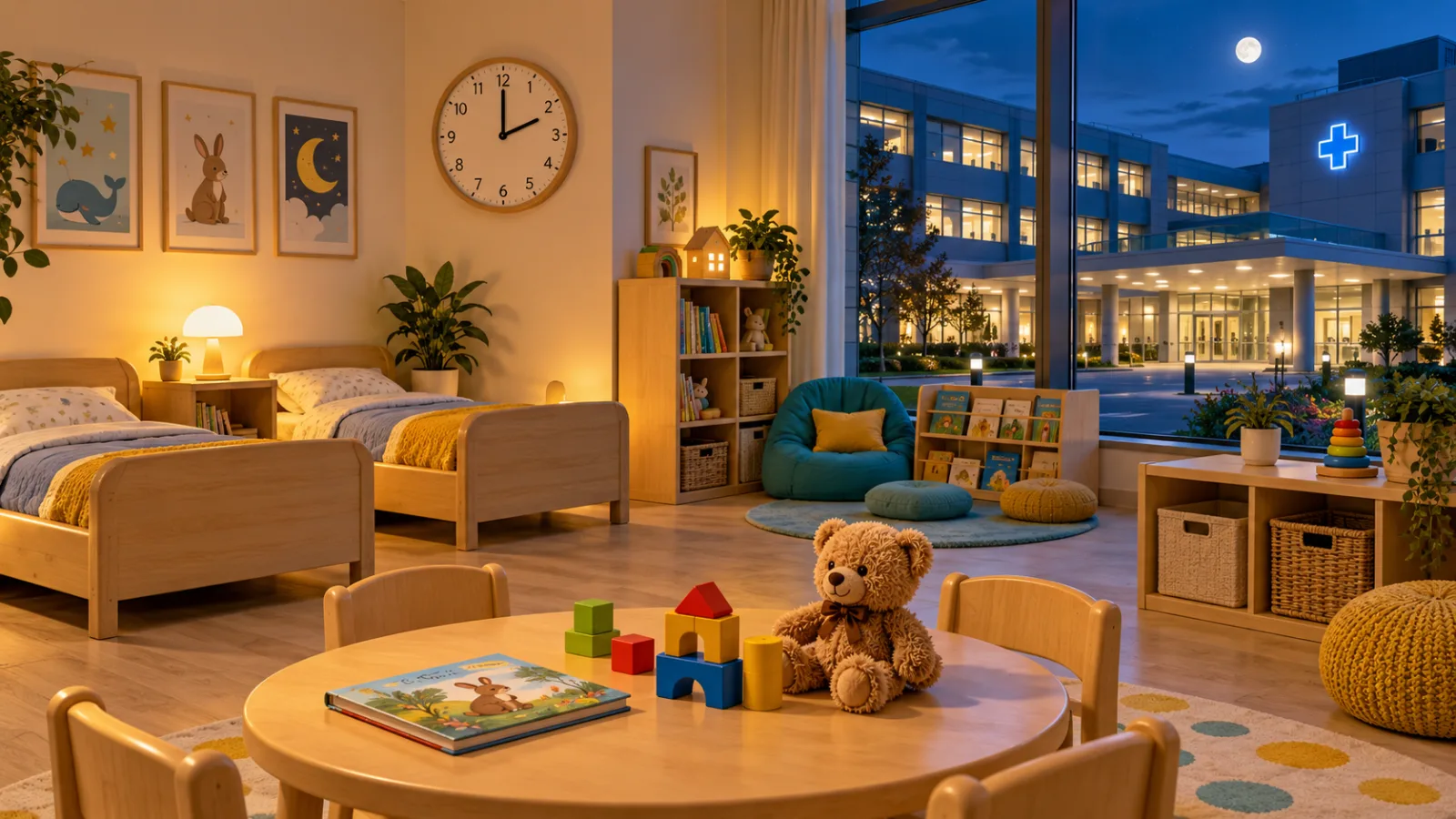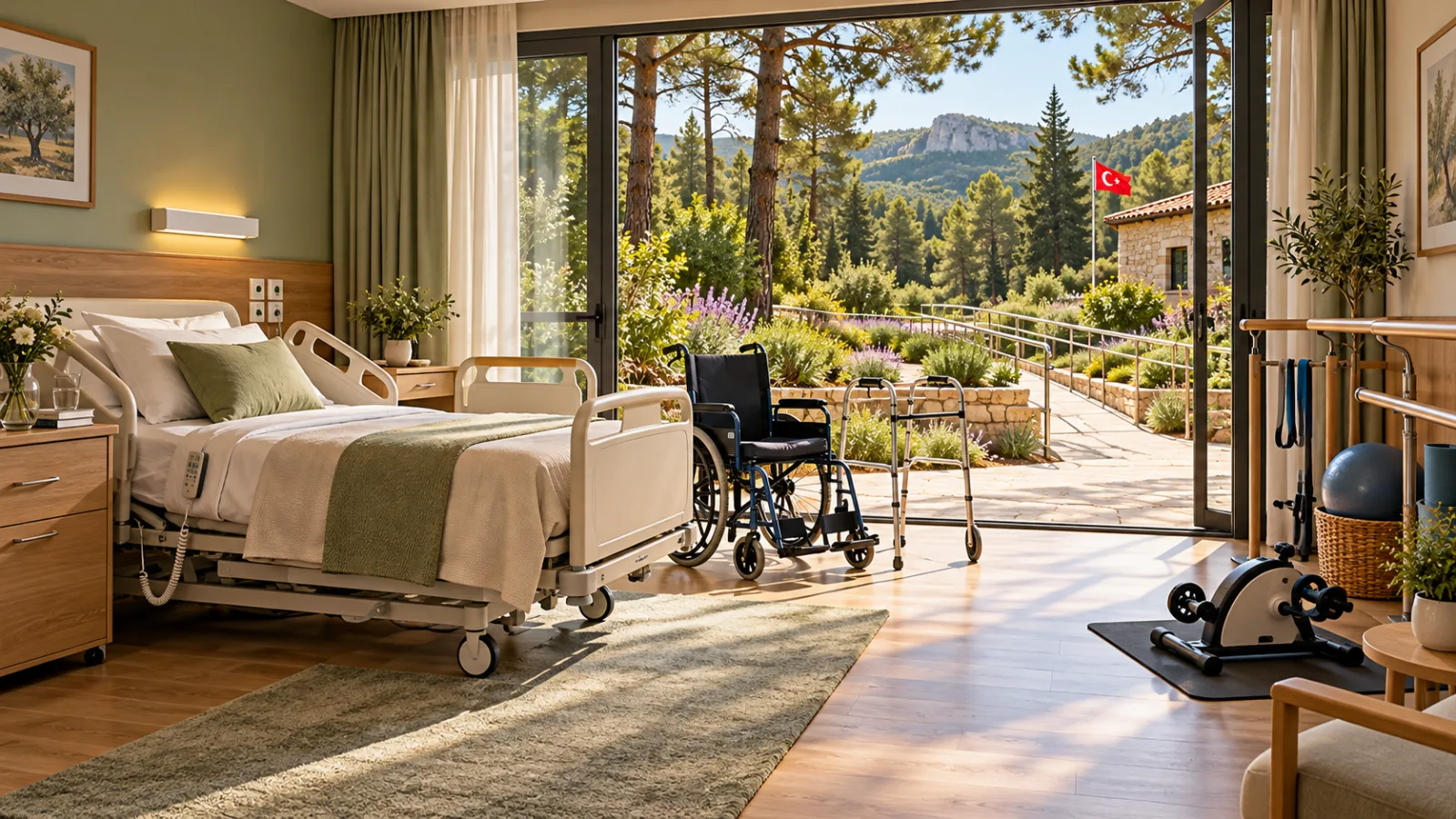
According to World Health Organization data, the population aged 60 and over is expected to reach 1.4 billion in 2030 and 2.1 billion in 2050. A similar transformation is taking place in Türkiye; the share of the population aged 65 and over in the total population rose to 11.1% in 2025.
This picture shows us the following: one of the most strategic fields of the future will be elderly care, long-term care, rehabilitation, and chronic disease management. Türkiye has built a very large capacity in healthcare in recent years. With its hospitals, physicians, nurses, technical infrastructure, and service quality, it has become a significant hub in the region. There is also strong momentum in health tourism; according to Ministry of Trade data, Türkiye’s healthcare service exports reached 3 billion dollars with 1.5 million health tourists in 2024.
However, it is now time to move to a new phase. Türkiye should not view health tourism as limited only to aesthetic procedures, dental treatments, hair transplants, or short-term surgical services. The real opportunity lies in care homes and rehabilitation centers to be established in Anatolia at international standards, and in health campuses that support these centers.
This model should be planned especially outside city centers. In major cities like Istanbul, Ankara, and Izmir, the healthcare system is already operating under heavy load. Traffic, population pressure, emergency department demand, intensive care needs, and staff turnover cause serious problems in large cities. Concentrating long-term care patients arriving from abroad in city centers could increase the burden on the existing healthcare system. By contrast, a much healthier model can be built in Anatolian cities with beautiful nature, clean air, ample land availability, and more balanced living costs.
Cities such as Kastamonu, Sivas, Tokat, Çorum, Erzincan, Amasya, and Sinop are highly valuable for this vision. Especially in cities like Kastamonu, which have strong natural assets, extensive forests, and offer a tranquil lifestyle, establishing “care campuses” could open a new door in terms of health, tourism, and rural development. These centers could operate like factories that produce yet do not pollute; on the contrary, they could feature eco-friendly architecture, renewable energy, and structures that support local agriculture and employment.
What is meant here is not a traditional nursing home. What is envisioned are health living campuses with international standards that include a care home, rehabilitation center, physical therapy unit, chronic disease monitoring unit, palliative care area, and, when needed, a small-scale hospital, imaging center, and emergency response unit. In these centers, older adults will not merely reside; they will be monitored, nourished, socialized, rehabilitated, and live within a safe healthcare system.
The contribution to the national economy would also be multifaceted. Care patients coming from abroad would bring in foreign currency. New employment would be created for nurses, physiotherapists, care staff, cooks, security guards, cleaning staff, technical personnel, and administrative employees. Food would be purchased from local farmers. Local tradespeople would be supported. Accommodation, transportation, logistics, medical supplies, pharmaceuticals, and education sectors in the city would be invigorated. Thus, healthcare would transform from something confined within hospital walls into a development tool that energizes the entire urban economy.
One of the most important outcomes would be young people staying in their hometowns. Today, in many Anatolian cities, young people migrate to Istanbul, Ankara, and Izmir because they cannot find jobs. Yet a young nurse, health technician, physiotherapist, or tourism graduate who sees an international health care campus established in their hometown could work in their own province. In fact, for many people from Kastamonu, Sivas, and Tokat living in Istanbul, this could create an opportunity to return home. According to Turkish Statistical Institute (TÜİK) data reported in the press, people registered to Sivas lead the list in Istanbul, while those registered to Kastamonu rank second; even this is important in showing the strong human ties between Anatolia and Istanbul.
This vision is not only economic; it is also social and strategic. Europe is aging rapidly. In countries such as Germany, the Netherlands, Belgium, and the United Kingdom, care costs are very high. Many families are seeking more affordable yet high-quality, safe, and humane care options for their elderly relatives. With the right regulations, strong oversight, international accreditation, and ethical standards, Türkiye can become a very important hub in this field.
Of course, this must not be done without planning. Elderly care tourism is a serious field. A system that lacks oversight, focuses solely on commercial gain, and relegates human dignity to the background is unacceptable. Each center should operate under the joint supervision of the Ministry of Health, the Ministry of Family and Social Services, the Ministry of Culture and Tourism, and local administrations. Staff training, patient safety, emergency referral chains, infection control, medication management, patient rights, and international insurance processes should be clearly defined from the outset.
Anatolia should no longer be seen merely as a geography that sends out migrants, is aging, and dispatches its youth to big cities. With its clean air, nature, human capital, culture, and healthcare capacity, Anatolia can become the care tourism hub of the future. Centers to be established on the edge of the forest in Kastamonu, on a wide health living campus in Sivas, in the cool air of the Black Sea, or in the tranquil towns of Central Anatolia could form a new development model for Türkiye.
Just as industrial zones once transformed the economies of cities, tomorrow’s “health and care campuses” can change the fate of Anatolia. Moreover, these factories will not emit smoke; they will heal people, bring peace to the elderly, provide jobs for the young, earn foreign currency for the country, and make cities livable again.
Türkiye’s vision for the future should not be merely building more hospitals in big cities. The true vision is to revive Anatolia with healthcare, care, human dignity, and a sustainable economy. Türkiye has something to say to an aging world. And the center of that message should not be only Istanbul; it should be Kastamonu, Sivas, and Anatolia itself.